My little Moishele!
When We Ask for an RSVP – Here’s Why It Matters
Everyone is always welcome at HBT—no RSVP is ever needed to attend services. Whether your visit is planned or spontaneous, we’re so glad you’re here.
That said, if you plan to stay for a meal or attend a special event, we kindly ask that you RSVP. This helps us prepare enough food and seating, ensures we have the right level of staff and volunteers, and allows our security team to plan appropriately. Your RSVP helps us create gatherings that are safe, smooth, and welcoming for everyone.
Thank you for helping us build joyful and well-run community experiences.
With much appreciation
Honoring Our Spaces, Embracing Our Future
TEMPLE HILLEL B’NAI TORAH
Honoring Our Spaces, Embracing Our Future
Celebrating growth, memory, and possibility as we expand our Chaverim School and make room for what’s next.
Our Update
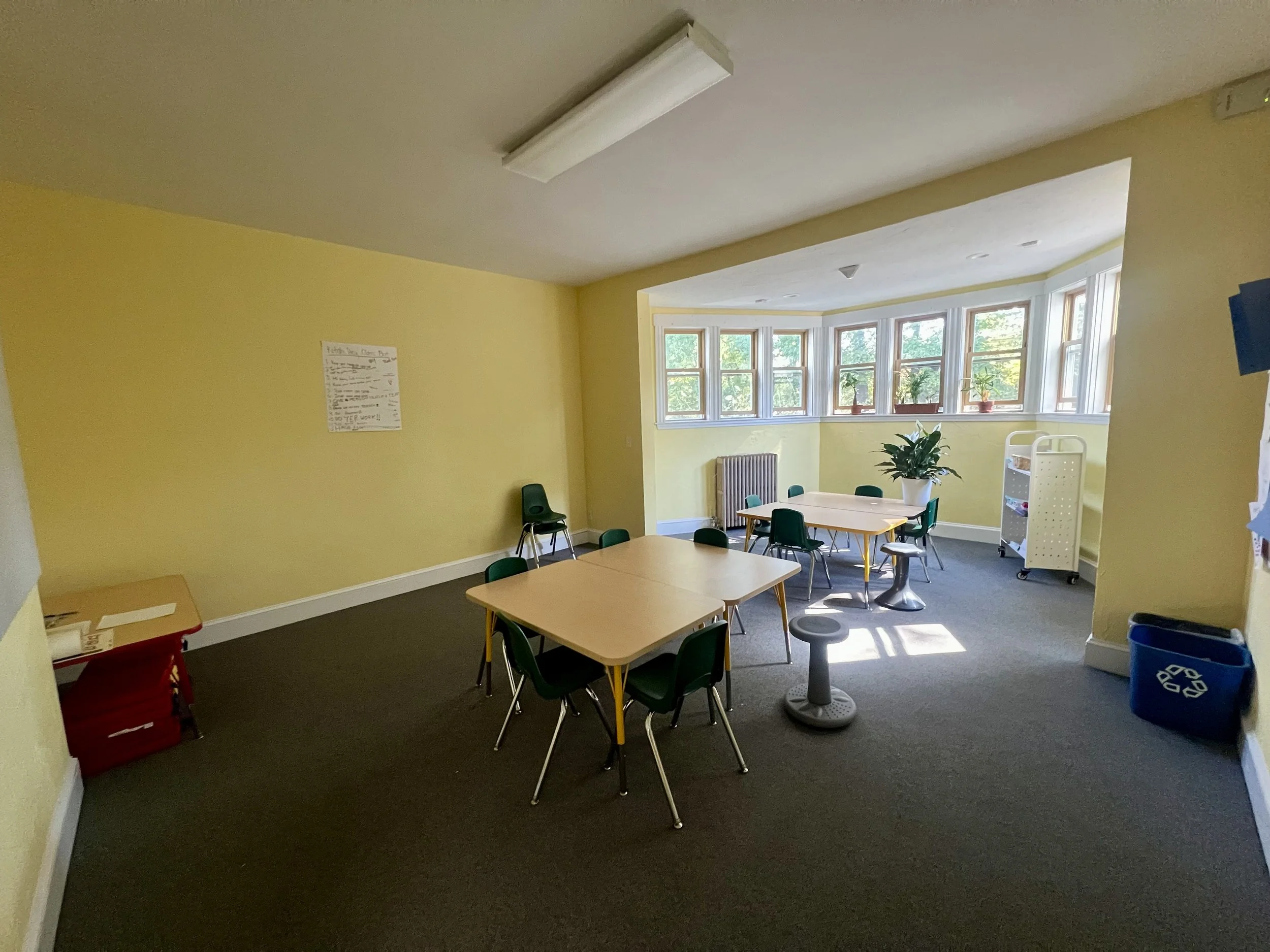
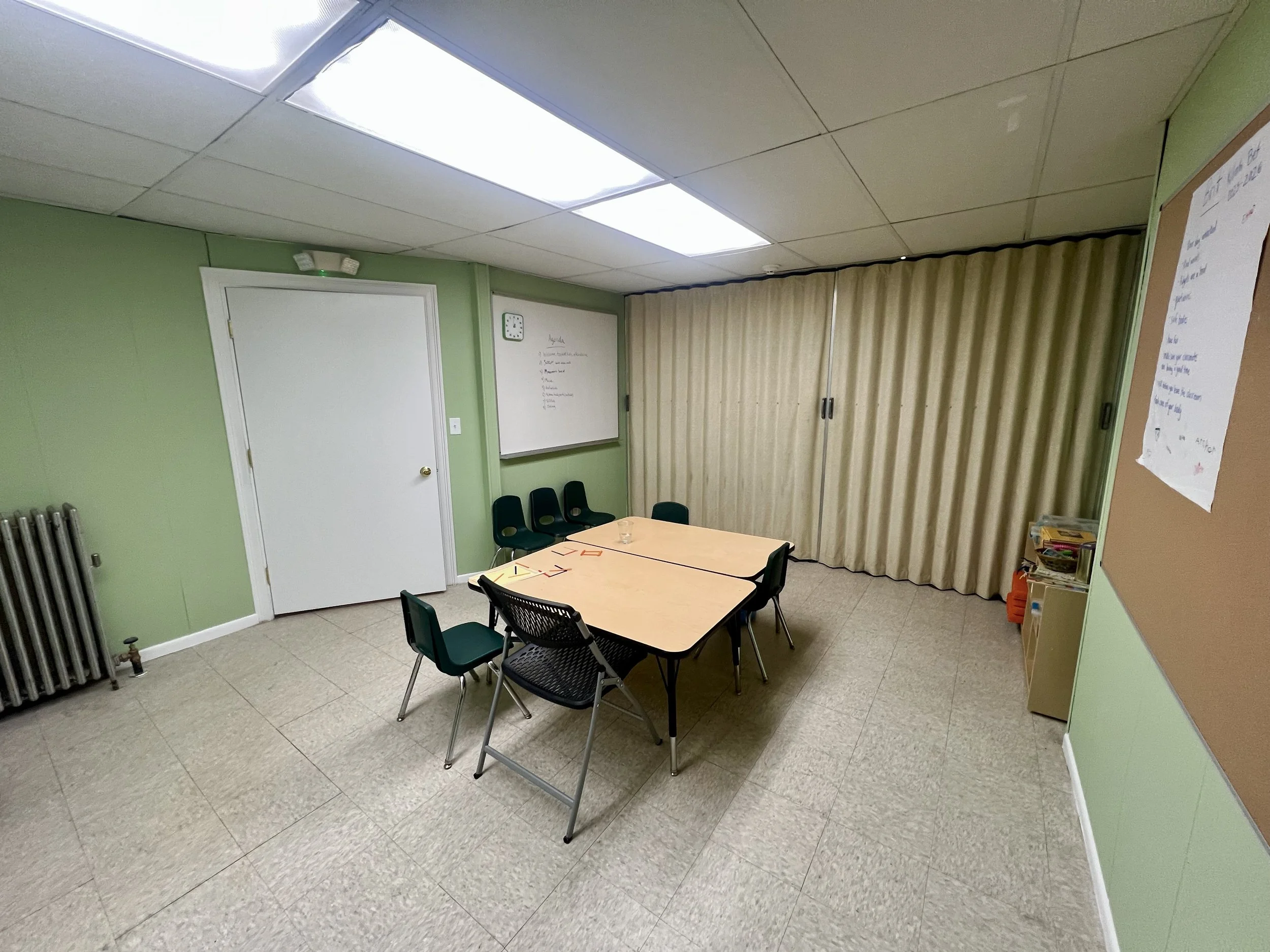
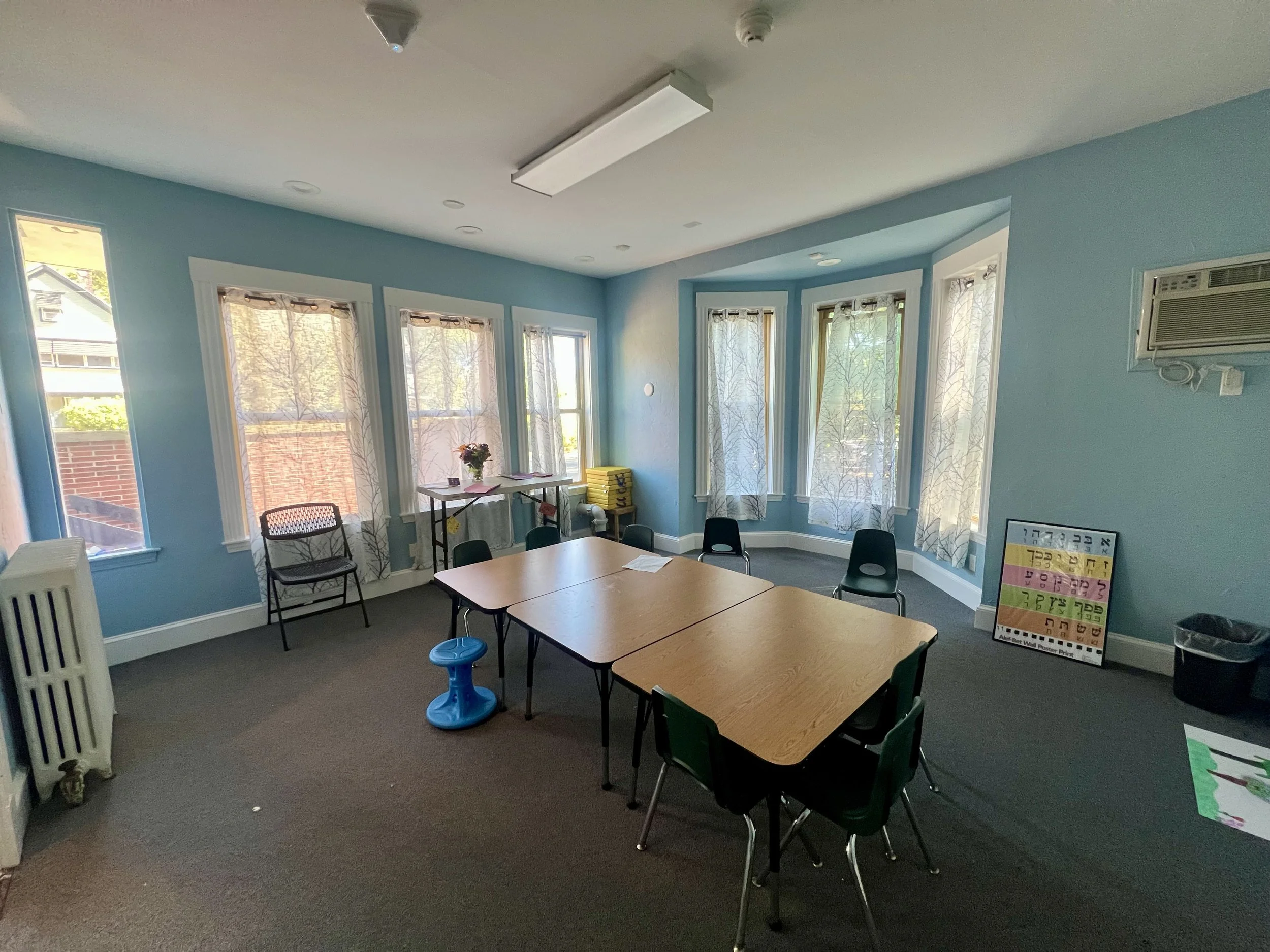
This summer has been a season of growth and transformation for our building. To meet the needs of our expanding Chaverim School, the Board created a Chaverim Space Task Force to explore how best to accommodate the year ahead. After thoughtful review of several options, the Task Force recommended—and we implemented—an exciting plan that adds two new classrooms by dividing the Chapel and re-imagining the John Cotton Kiddush Room as a flexible, fully enclosed learning space.
In a masterful design led by Moreno Guzman, Facilities Manager, the original ramp was moved behind a new wall and a new door to the lobby was added. The room now has three separate doors—one to the lobby and two to the interior hallway— allowing it to function as a single large classroom or, by closing the folding wall, as two independent classrooms. This smart reconfiguration gives our children, teachers, and programs the flexibility they need to thrive.
We also know that every space in our building carries meaning and memory. The Chapel and Kiddush Room have hosted countless services, celebrations, and moments of community. Even as we embrace change, we honor those connections and the stories they hold. As we move forward, we hold two truths together: the importance of honoring our past and the necessity of making room for our future.
“These changes reflect a vibrant, growing community—we look forward to the new memories we’ll create together.”— HBT Leadership
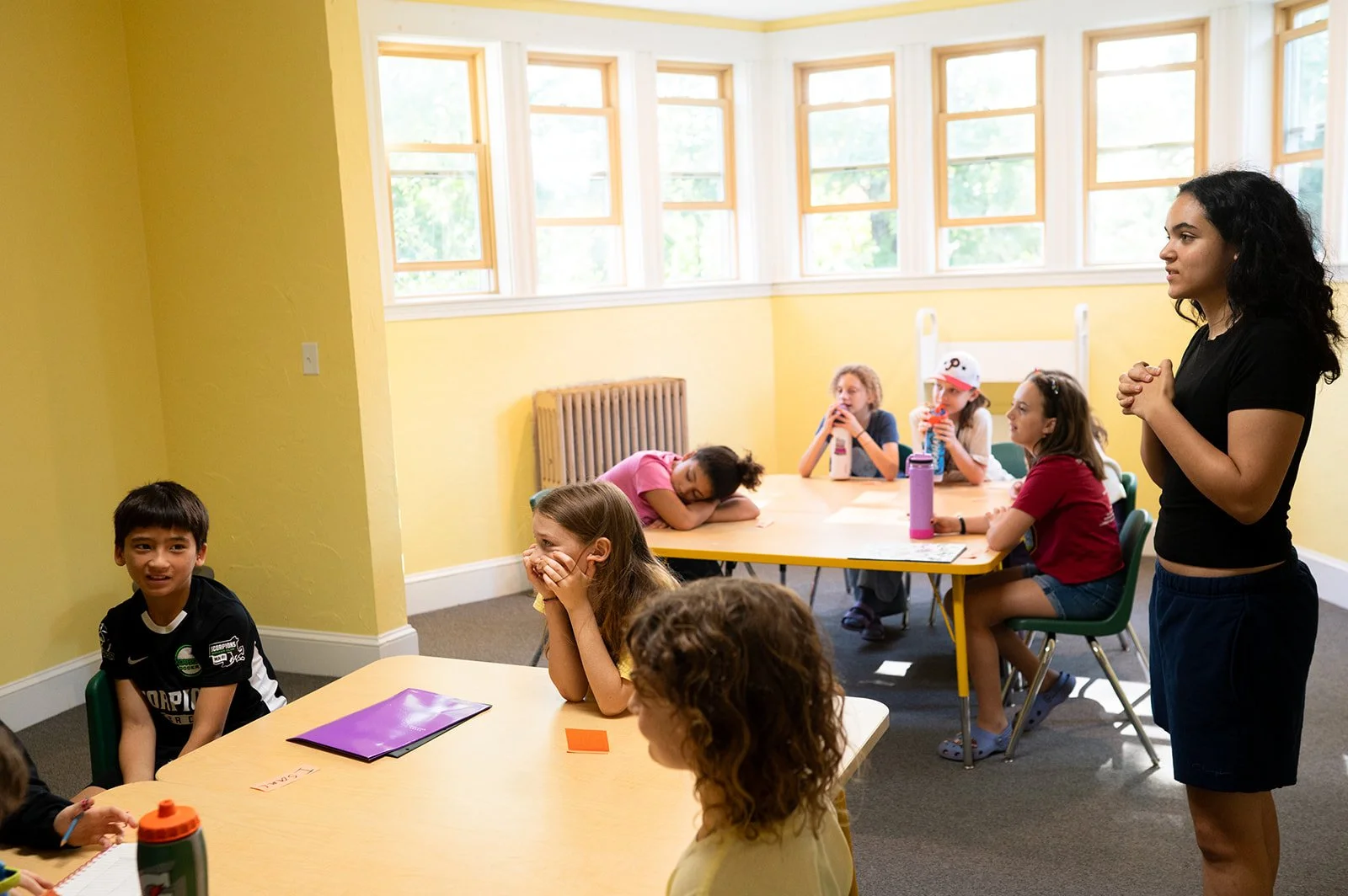
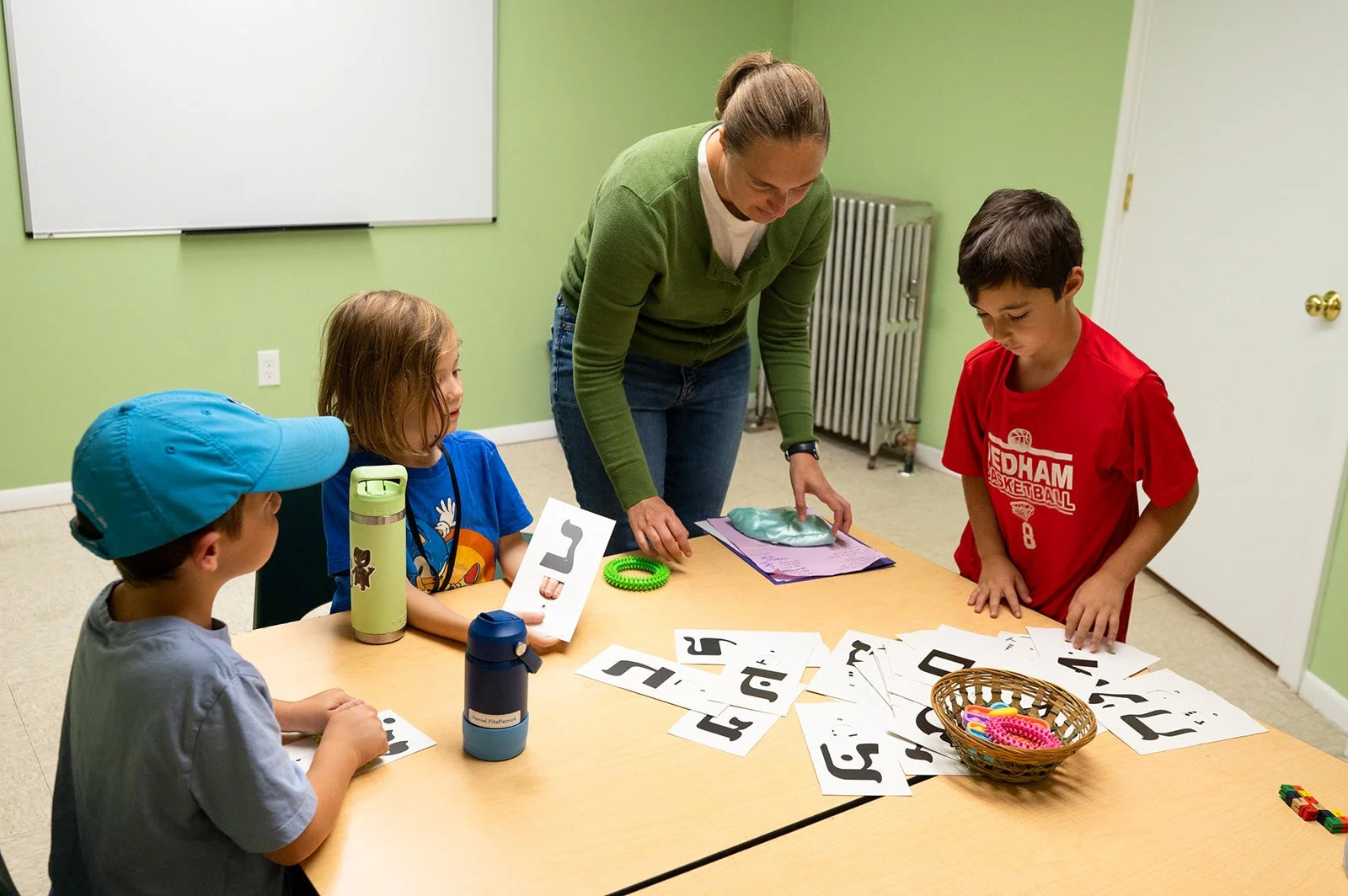
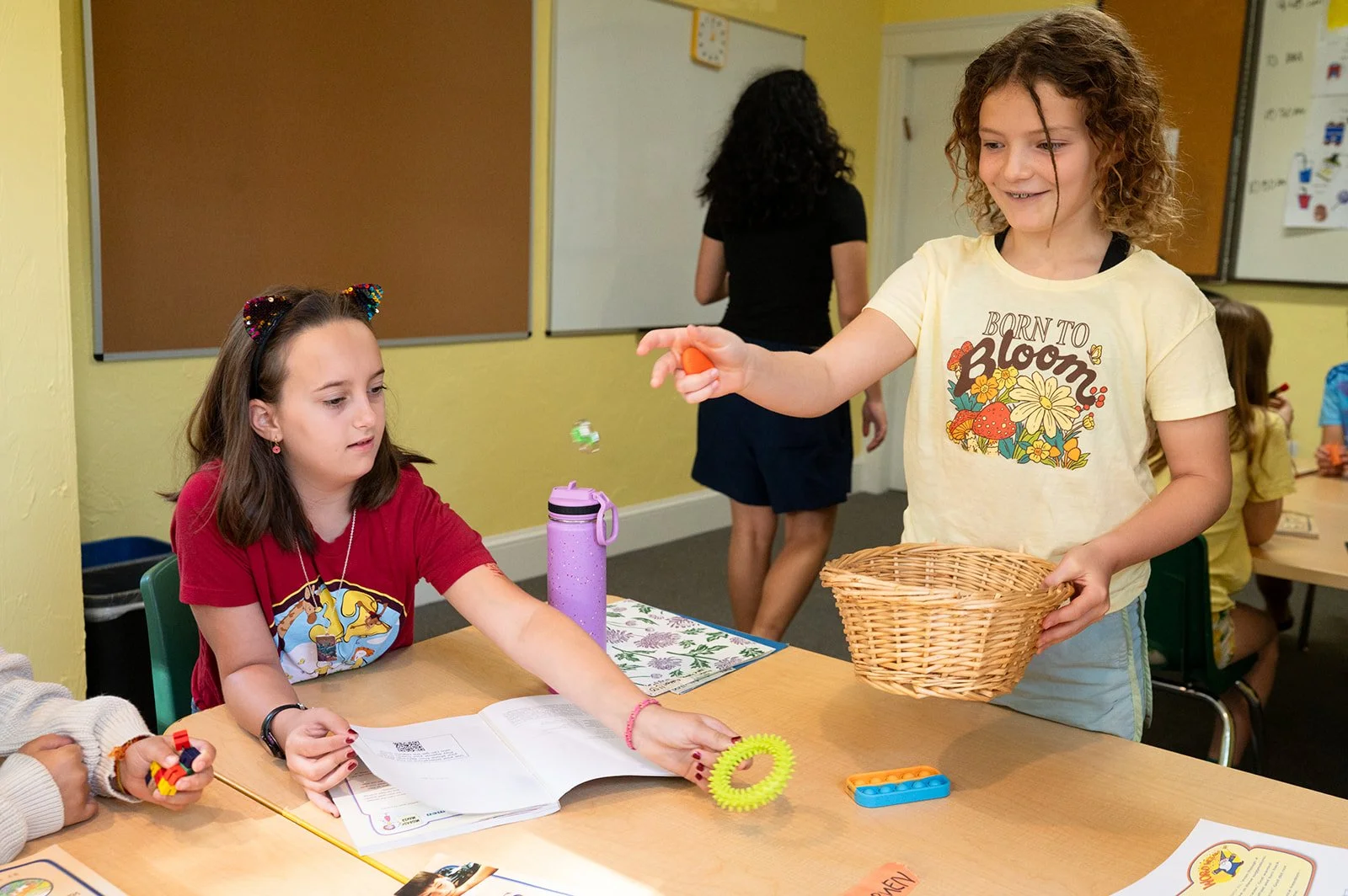
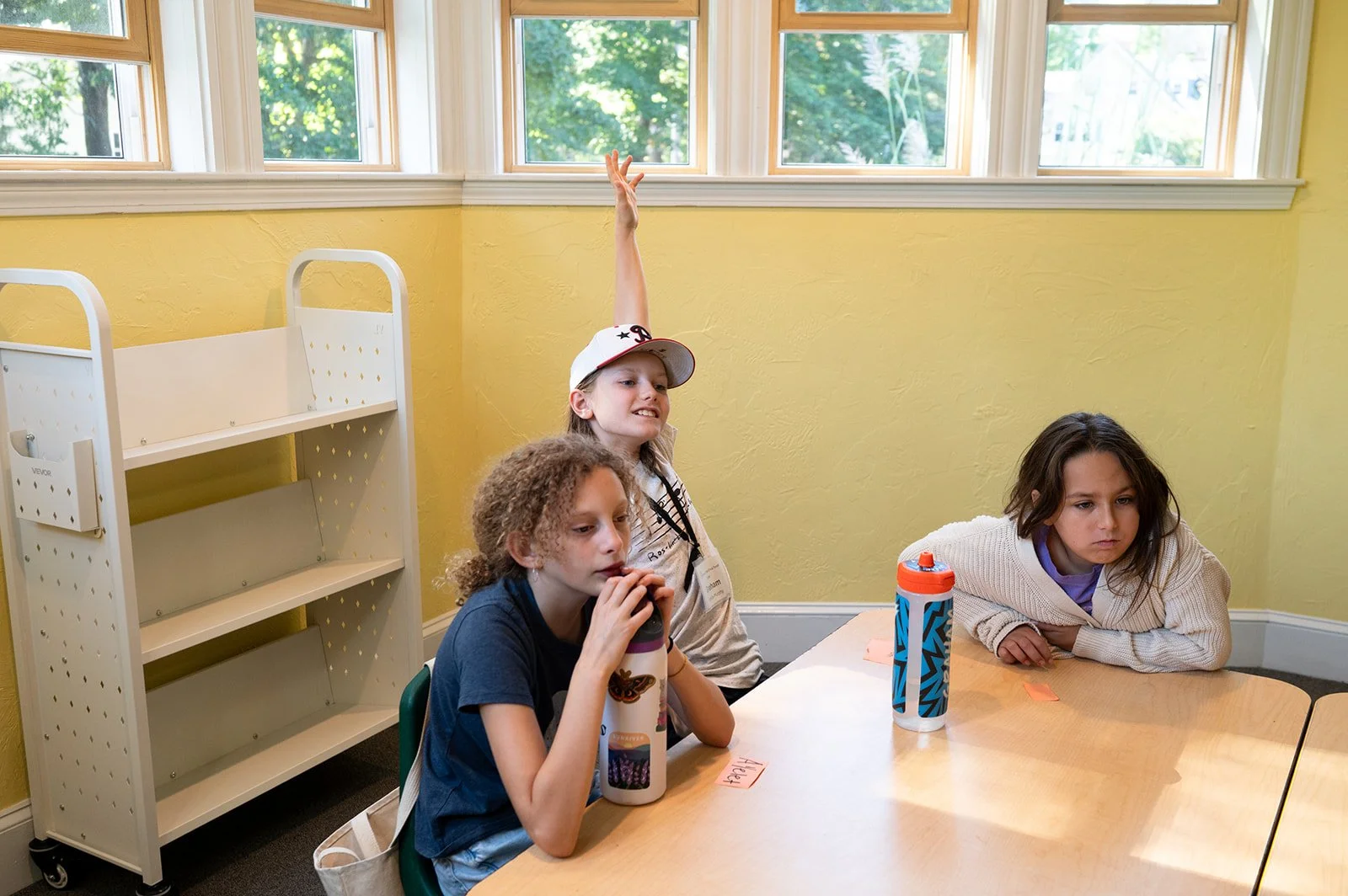
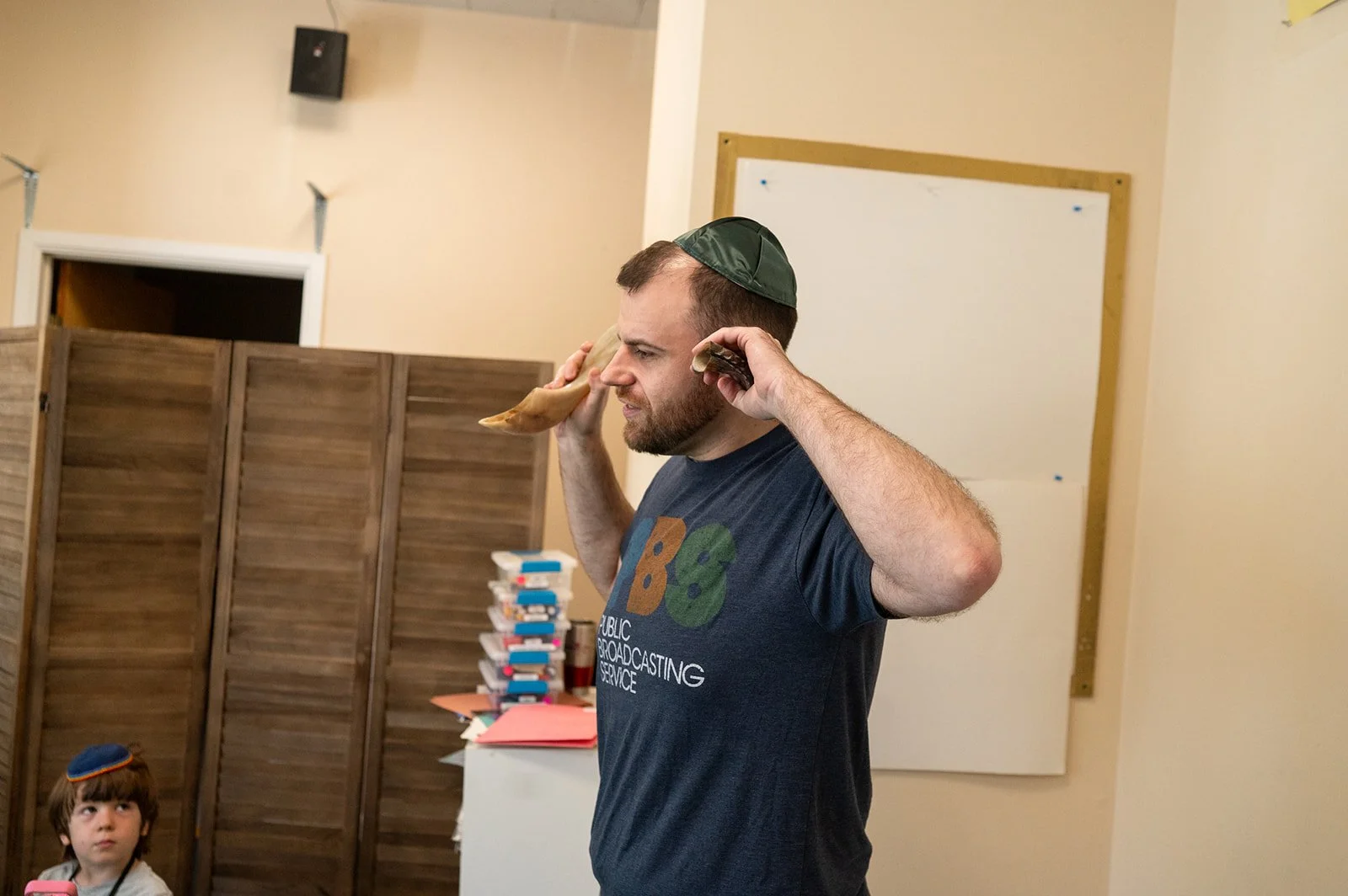
Take a Look Inside Our New Classrooms
Bright, flexible spaces designed for learning, creativity, and connection. These new classrooms reflect the heart of our Chaverim School, where children grow, explore, and build Jewish community together.






1996 Was His Moment
Every generation at HBT reaches a turning point, a moment when the future calls and someone steps forward to lead. In 1996, that moment belonged to John Cotton. Ten years after the West Roxbury Chavurah joined HBT and helped spark a quiet renewal, the congregation was again poised for change.
Membership was growing. We had just hired Rabbi Barbara Penzner, whose leadership brought an entirely new way of doing things. There was energy and excitement, but also the real work of figuring out how to sustain it, how to pay for what we were building, and how to grow responsibly. As president, John met that moment with steadiness and care. He supported the families who were creating the new Hebrew school, adding his own expertise in organization and leadership to help turn their ideas into action while guiding the congregation through a time of transformation.
Under his leadership, what began as an idea became a cornerstone of HBT’s identity: a place where children learn, families gather, and generations grow together. 1996 was John’s time. And now, as we dedicate new classrooms within the John Cotton Kiddush Room, this is our time to carry that same spirit of commitment and renewal forward, honoring John and the circle of leaders, teachers, and families who shared his vision.
Project Milestones
- Spring 2025: Chaverim Space Task Force formed; options study begins.
- Summer 2025: Plan approved by Board; construction scheduled.
- August 2025: Chapel divided; wall added to Kiddush Room creating enclosed learning space.
- September 2025: New classrooms opened for Chaverim School and community programs.
With Gratitude
Chaverim Space Task Force: Jason Silver (Lead), Andi Lipman, Becky Shapiro, David Goldberg, Matthew Smith, Rachel Young, and Sarah Bob
Hillary Engler — Education Director
Julie Tishler — VP of Education
Aaron Schleifer — VP of Operations
Moreno Guzman — Facilities Manager
Benita Block — Director of Administration and Communications
With support from the Board of Directors • Posted September 9, 2025
Clothing Donations for Immigrants
HBT is collecting donations of spring clothing for adults and children plus toiletries and standard baby clothing and supplies for the Brazilian Welcome Center (Allston) (BWC). Non clothing Items Include:
Menstrual Pads, Body Wipes, mosquito repellent, NIDO powdered milk, Diapers, size 4 and 5, Baby wipes and Boxes of chocolate milk and whole milk. Leave donations in HBT Lobby. Also options to order online and Send to: Brazilian Workers Center: 14 Harvard Ave, Floor 2, Allston, MA 02134. Also check donations can be sent; put FWC in memo line. For more info on donations go to https://Brazilian center.org/way-to-give/.
BWC is a clearinghouse for new immigrants providing crucial information and referral services.
For questions email sflashman@gmail.com
YOU can vote!
Your vote for Israel’s future
Antisemitism: A big email
This is a big email - and it contains only a fraction of what there is to say. But this email is long, and it has a lot in it.
HBT HAS ZELLE!!
HBT has ZELLE
How your community can be a safe haven for trans people
How your community can be a safe haven for trans people
Rabbi Aliza D'var Torah
Join Rabbi Aliza Schwartz as she climbs the thematic stairs of Jacob’s Ladder in this insightful D’var Torah .
The View from the Summit – V’zot HaBracha
The View from the Summit – V’zot HaBracha
A d'var for Bereishit
Sukkot
Come eat in the Sukkah!
Simchat Torah
Simchat Torah Community Celebration with the HBT Band and a pumpkin auction
Thursday, October 24 - 5:30 - 7:30pm
Rosh Hashanah Edition of MaNishtanah
Check out the Rosh Hashanah edition of MaNishtanah
RABBI ALIZA SCHWARTZ BLESSED TO BE JOINING THE HBT COMMUNITY
A Message from Rabbi Aliza

Rabbi Aliza Schwartz believes that the work of creating connection and belonging is sacred. She strives to always be a part of bringing people toward one another and toward larger containers of “home.” She feels certain that when we are embraced for our whole selves, we are able to bring our whole selves to everything we do, and communities and worlds deeply benefit.
In this particular world moment, and always, Rabbi Aliza fights for a deeply-rooted Judaism that stands loudly against racism, loudly against antisemitism, loudly against Islamophobia, and loudly against the systems that allow for dehumanization and that pit humans against one another. She fights for a Judaism that embodies at its root the knowing that all of humanity is sacred, is divine, is made b’tselem elohim, in the image of Gd.
Rabbi Aliza was ordained by the Reconstructionist Rabbinical College in 2024. She is a board member of T’ruah: The Rabbinic Call for Human Rights. During rabbinical school, she worked for two years as a Cooperberg-Rittmaster Rabbinical Intern at Congregation Beit Simchat Torah (CBST) in New York, the world’s largest LGBTQ synagogue. Additionally, she served as an interfaith hospital chaplain and interned at Lions Gate Continuing Care Retirement Community. She spent one year of her rabbinic training in Jerusalem, both studying at the Pardes Institute of Jewish Studies and doing protective presence and solidarity work, especially in Masafer Yatta, an area home to several Palestinian villages in the South Hebron Hills of the West Bank.
Before rabbinical school, Rabbi Aliza was in leadership for many years at Kavod, a multi-ethnic, multi-racial community led by young Jews that lives out its values through vibrant Jewish ritual, transformative social justice organizing, and collective responsibility. Rabbi Aliza served on Kavod's board for four years and as Board President for two. Rabbi Aliza worked for about 3.5 years at the New Israel Fund as Assistant Director for the New England Region, and she has been a strategy coach and trainer for IfNotNow, especially in its early years. An alumna of AmeriCorps and JOIN for Justice’s Jewish Organizing Fellowship, Rabbi Aliza served as Community Organizer at Jewish Big Brothers Big Sisters. Before that, she spent a year in South Tel Aviv, working with Sudanese and Eritrean refugees and asylum seekers.
Rabbi Aliza is absolutely thrilled, and considers herself deeply blessed, to be joining the HBT community. She also considers herself enormously blessed to be following the rabbinic leadership of Rabbi Emerita Barbara Penzner, after Rabbi Penzner’s 28 years of inspirational leadership of HBT, and she is deeply grateful as well to Rabbi Noyo, for their interim year serving the community. Rabbi Aliza is so excited to build together, pray together, act in the world together, learn together, and be with one another. She cannot wait to get to know each and every person at HBT.
Rabbi Aliza’s quote to live by: “Never forget that justice is what love looks like in public.” -Cornel West
Blue Ribbon Project
If you would like to put blue ribbons on trees outside your home as well, you can pick them up at the office.
Read Rabbi Barbara's Reflections
Find A Rabbi, Create A Community Reflections by Rabbi Barbara Penzner on 28 years of leadership at Temple Hillel B’nai Torah
Message from Rabbi Penzner
Thank you all. Thank you to each and every one of you who made Saturday night such a spectacular event for me and for our entire community. Whether you were present in person or on zoom, your love radiated throughout the night, and I continue to feel enveloped by it.
Rabbi Barbara Penzner steps down after 28 years at Temple Hillel B’nai Torah
Rabbi Barbara Penzner steps down after 28 years at Temple Hillel B’nai Torah
You are warmly invite you to a special evening
You are warmly invite you to a special evening with blessings, light, and song, as we celebrate Barbara Penzner’s 28 years as our beloved Rabbi at Temple Hillel B’nai Torah. On Saturday, June 3 we will honor her legacy as she leaves the HBT pulpit and becomes our Rabbi Emerita.